Analyzing Transaction Flow Rates and Their Influence on Long-Term Engagement in Mobile Gambling Platforms
Written by Zoe Vogel · Oct 7, 2026
Analyzing Transaction Flow Rates and Their Influence on Long-Term Engagement in Mobile Gambling Platforms
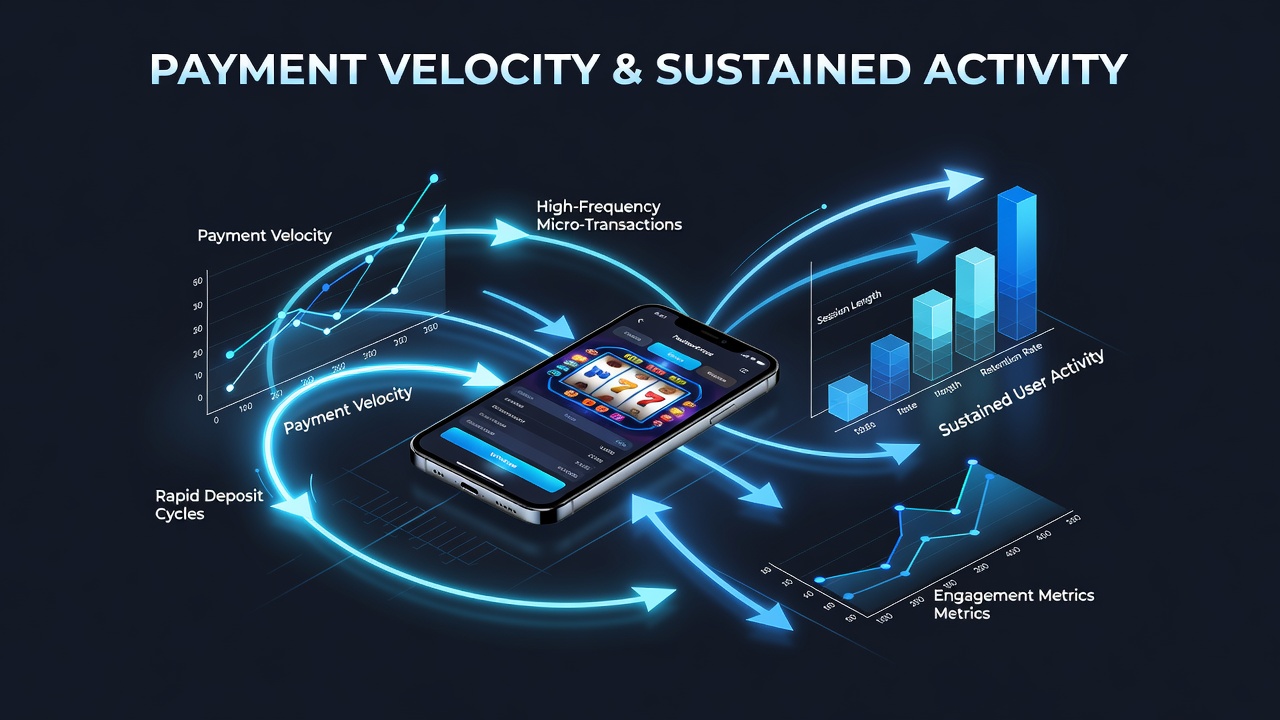
Payment velocity refers to the speed at which deposits and withdrawals process within smartphone-based gambling applications, and researchers have tracked how these rates connect to patterns of sustained user activity over extended periods. Data collected from multiple markets shows that quicker transaction times often align with higher frequencies of repeated sessions, while slower processing correlates with reduced return rates among certain user groups. Observers note that this relationship holds across various app designs and regional regulations, creating measurable differences in engagement metrics.
Defining Payment Velocity in Mobile Contexts
Payment velocity encompasses the time from initiation to completion for both incoming deposits and outgoing withdrawals, and studies indicate that instant or near-instant options tend to appear more frequently in apps with elevated daily active user counts. Those who've examined transaction logs find that apps offering sub-minute deposit confirmations report stronger continuity in user sessions compared to platforms relying on traditional banking delays of several hours. Figures from industry trackers reveal that velocity improvements, such as integration with digital wallets, coincide with measurable upticks in session length and frequency during periods like early 2026.
But here's the thing: velocity alone does not determine outcomes, since factors including app interface design and game variety also contribute to retention. Researchers discovered through longitudinal tracking that users experiencing consistent fast payouts demonstrate steadier activity levels, particularly in regions where regulatory frameworks support rapid settlements. Evidence suggests these patterns emerge clearly when comparing apps with varying processing standards side by side.
Connections to Sustained Activity Levels
Sustained activity manifests as repeated logins, ongoing deposit behavior, and prolonged account tenure, and analyses link higher velocity to these indicators through statistical correlations drawn from anonymized user data. One study revealed that platforms achieving average withdrawal times under two hours saw retention rates rise by noticeable margins over six-month windows, whereas delays exceeding a day aligned with higher churn. Those monitoring October 2026 trends observed similar dynamics in expanding smartphone markets, where velocity enhancements coincided with steadier engagement curves.
What's interesting is how velocity interacts with user demographics, as younger cohorts show stronger responses to instant options while broader groups respond to reliability regardless of exact speed. Data indicates that apps balancing high velocity with transparent fee structures maintain activity more effectively, avoiding the drop-offs seen when processing inconsistencies arise. Experts have observed these linkages across diverse operating systems and device types, underscoring the role of backend payment infrastructure.
Regional Data Patterns and Recent Observations
Reports compiled through mid-2026 highlight variations by jurisdiction, with North American platforms often featuring faster average velocities due to widespread digital wallet adoption. According to American Gaming Association materials, transaction speed improvements in certain states tracked alongside increased mobile participation rates during the first three quarters of the year. In contrast, markets with stricter banking rules show slower baselines yet still exhibit velocity-related retention effects when operators optimize available channels.
Canadian regulatory bodies, including the Alcohol and Gaming Commission of Ontario, have documented comparable trends where velocity upgrades in approved apps corresponded to steadier activity among registered users. Research from academic sources points to similar findings in Australian contexts, where processing efficiencies linked to continued engagement without direct causation claims. These patterns hold when controlling for variables like promotional offers and game selection, allowing clearer isolation of velocity impacts.
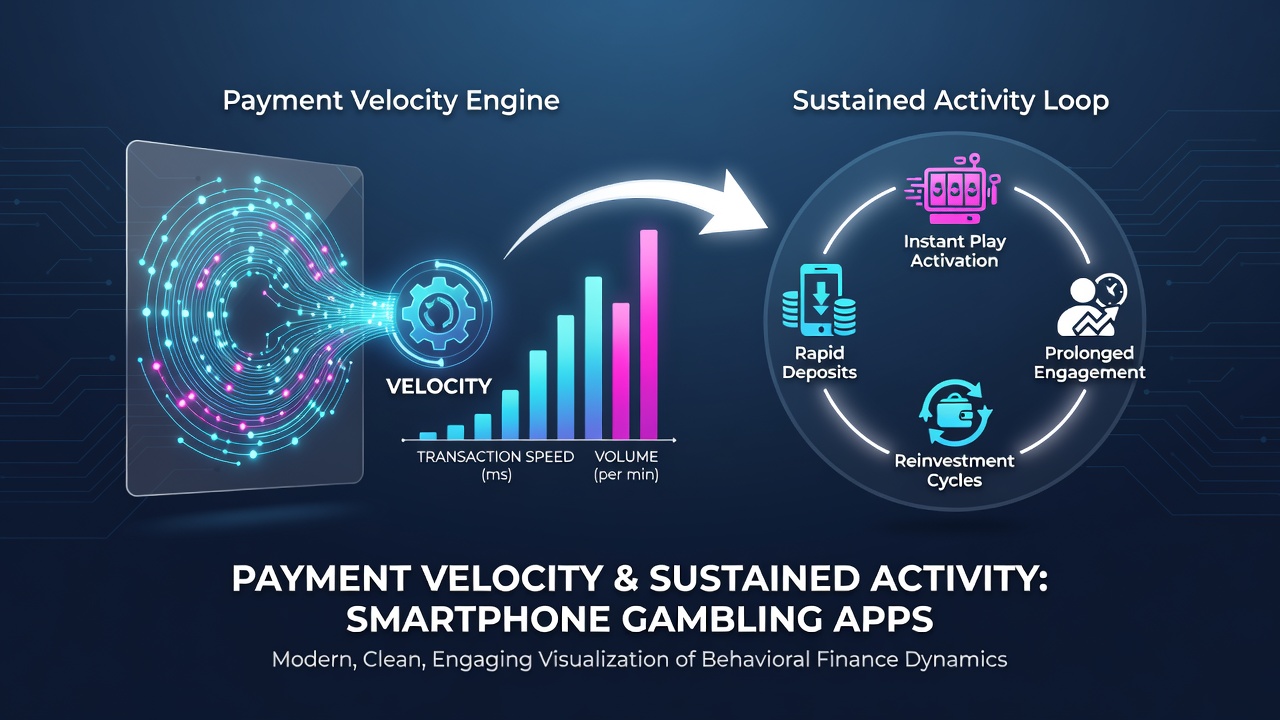
Turns out the relationship extends to withdrawal behaviors as well, since users who receive funds promptly often reinvest portions back into the platform at higher rates. Observers note that this cycle supports sustained activity, particularly in live dealer and sports betting modules within smartphone environments. Figures reveal consistency across data sets gathered through October 2026, even as new payment technologies entered testing phases.
Technical Factors Influencing Velocity Outcomes
Backend integrations with payment processors determine much of the observed velocity, and developers who prioritize real-time confirmation protocols report stronger alignment with activity metrics. Those analyzing system logs find that apps employing blockchain elements or advanced encryption sometimes achieve competitive speeds while meeting security standards, though results vary by implementation quality. Evidence suggests that seamless API connections between gambling apps and financial institutions reduce friction points that otherwise interrupt user momentum.
And yet velocity must pair with reliability, because isolated fast transactions followed by outages tend to disrupt the very patterns they aim to support. Researchers discovered through comparative reviews that consistent moderate speeds outperform sporadic high-velocity experiences in maintaining long-term engagement. This holds in smartphone settings where network variability already introduces external variables.
Conclusion
Payment velocity patterns demonstrate measurable associations with sustained activity in smartphone-based gambling applications, according to aggregated data from multiple sources. Regional reports from organizations like the American Gaming Association and the Alcohol and Gaming Commission of Ontario illustrate how processing speeds intersect with retention indicators across different regulatory landscapes. As platforms continue refining transaction systems into late 2026, the documented linkages provide objective benchmarks for understanding user behavior dynamics without implying universal causation.